
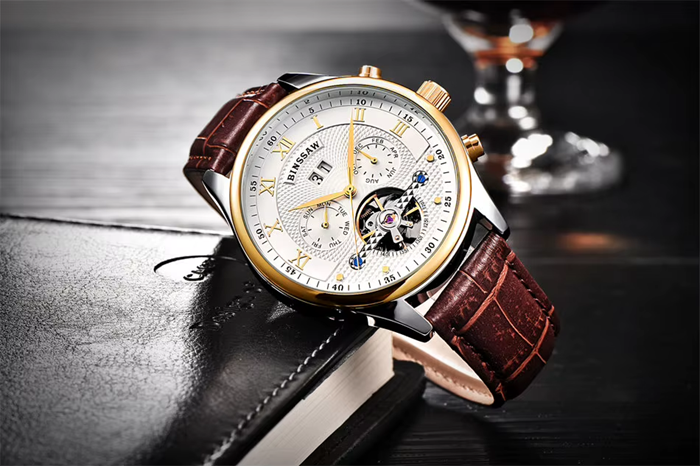
High-end luxury watches combine engineering mastery, status, and enduring value; therefore, when making a selection, it is important to consider not only the brand and aesthetics but also the movement type, finishing quality, caliber provenance, and service reputation.
Case and bracelet materials, water and shock resistance, wrist comfort, and alignment with the owner’s personal style all play significant roles; more information on luxury watches is available on the https://luxebrokersgroup.com/sell/watches/
Key categories include mechanical watches (manual-wind and automatic), quartz models, and complex timepieces featuring chronographs, calendars, power reserve indicators, tourbillons, and other functions. Distinct categories also exist for classic dress watches, sports and diver models, pilot’s watches, and versatile everyday options—each type has unique characteristics that influence the choice, price, and practicality.
Selection criteria: budget, status, usage scenarios, and service
Selecting a high-end luxury watch begins with an honest answer to the question “Why?”: is the goal to underscore social status, fulfill the need for a versatile accessory, or build a collection with investment potential? This objective dictates the choice of movement, case material, and complications, and even determines how “recognizable” the brand should be from a distance.
It is important to consider not just the purchase price but also the total cost of ownership: regular servicing, insurance, potential polishing, strap or bracelet replacement, and the model’s resale value on the secondary market.
A well-chosen watch remains comfortable for daily wear, appropriate for your dress code, and serviceable in your region without losing value.
Budget and Status
You should structure your budget in two tiers: the “entry cost” and the “cost of ownership.” Beyond the initial purchase, factor in expenses for routine maintenance (especially for mechanical watches and complex calibers), potential replacement of the crown or seals, water-resistance testing, and consumables like straps. If you are considering models made of precious metals, keep in mind that signs of wear will be more noticeable and restoration costs may be higher.
Status is defined not only by the price tag but also by the watch’s recognizable silhouette, the brand’s heritage, and how the model is perceived in a business environment. Some prefer “quiet luxury” (understated design without ostentatious details), while others seek a bold status symbol. Consider how comfortable you feel wearing a watch that might attract attention; this affects your choice of size, finish (e.g., high-polish vs. matte), and even material (steel is often more practical and less “flashy” than gold).
- Provenance transparency: documentation, serial numbers, and completeness of the set.
- Liquidity: the model’s popularity and the stability of demand on the secondary market.
- Style alignment: the watch should complement your look rather than clash with it.
Usage Scenarios and Service
Usage scenarios determine practicality. For office wear and suits, people often choose a slimmer case, an understated dial, and a leather strap; for everyday wear, versatile models on metal bracelets; for travel, features like a second time zone; …for sports and outdoor activities—enhanced water resistance and shock resistance. It is equally important to check the fit: diameter, lug profile, thickness, weight, and wrist balance—all these factors determine whether the watch becomes a favorite or ends up sitting in a safe.
Service is a key criterion for high-end watches: verify the availability of official servicing, turnaround times, and costs, as well as whether the warranty remains valid if you use an independent service provider. For rare calibers and complex complications, access to skilled watchmakers and genuine parts is critical. Decide in advance what matters most to you: perfect technical condition following a full service or the preservation of “untouched” originality (for instance, avoiding aggressive polishing or unnecessary part replacements).
- Service infrastructure check: is there an authorized service center in your city or country, and what are the turnaround times?
- Maintenance plan: how often is preventive maintenance required, and what does the standard service protocol include?
- Value preservation: careful polishing, documenting all work performed, and retaining any removed parts (where appropriate).